
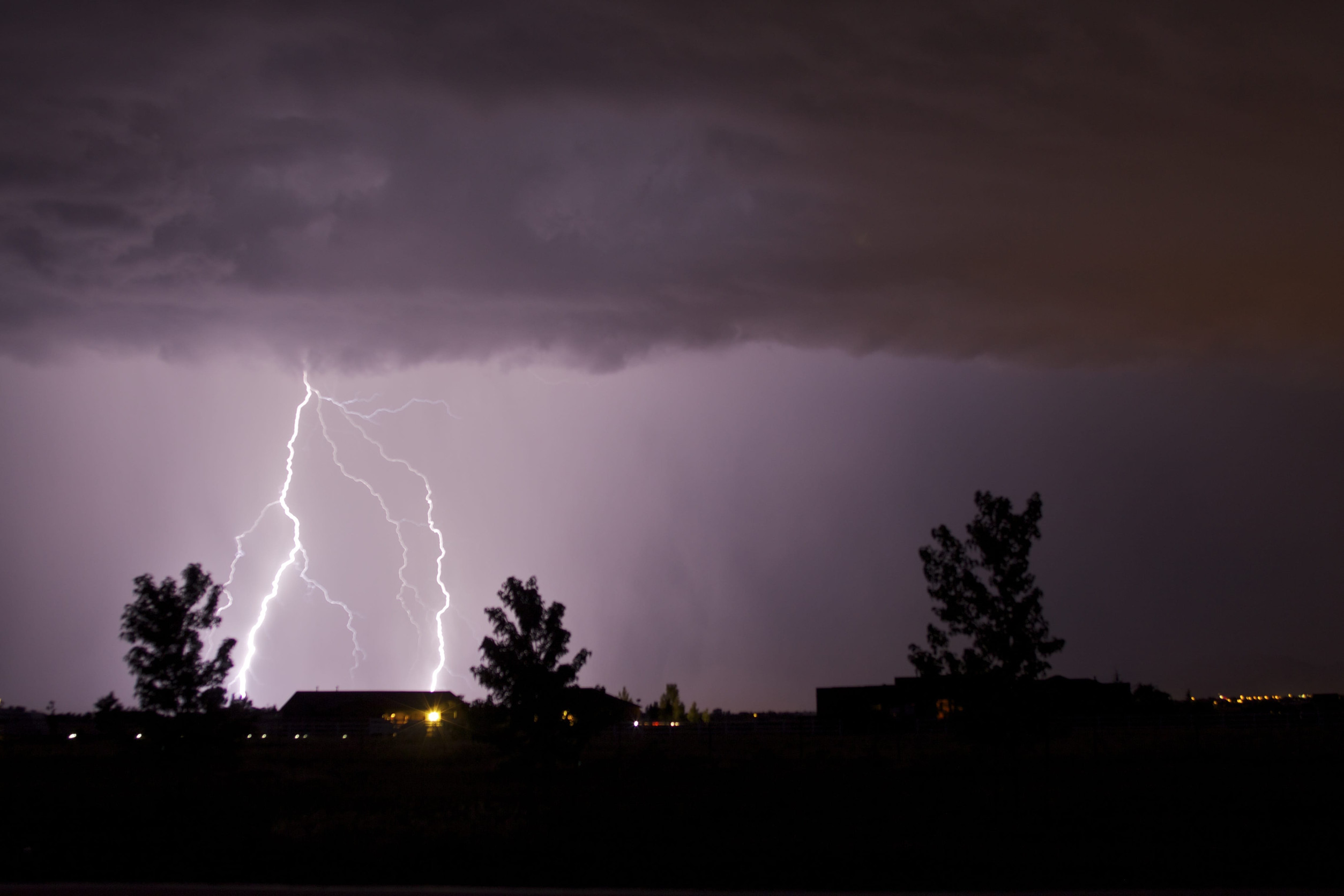
Storms are one of the most common causes of property damage for homeowners in Minnesota. From hail and windstorms to heavy snow and lightning, severe weather can impact roofs, siding, windows, landscaping, and even the structural integrity of a home.
While homeowners insurance is designed to help protect against many weather-related risks, not all storm damage is covered equally. Coverage often depends on the type of storm, the source of the damage, policy limits, and whether certain exclusions apply.
Many homeowners assume their insurance policy automatically covers every storm-related issue, only to discover limitations or exclusions after filing a claim. Understanding what homeowners insurance typically covers—and where potential gaps exist—can help homeowners make more informed decisions about their coverage.
This guide explains how storm damage coverage generally works, what is commonly included under homeowners insurance policies, and what Minnesota homeowners should consider when evaluating protection for severe weather risks.
Minnesota experiences a wide range of seasonal weather conditions throughout the year. Severe thunderstorms, hail, tornadoes, heavy snow, freezing temperatures, and ice accumulation can all create risks for residential properties.
Some of the most common storm-related insurance claims in Minnesota involve:
Because weather-related claims are so common, understanding the structure of your homeowners insurance policy is an important part of protecting your home and financial stability.
Homeowners insurance policies generally cover damage caused by specific events known as “covered perils.” Storm-related damage is often included under these covered perils, though the details vary depending on the policy.
Most standard homeowners insurance policies typically provide protection for sudden and accidental storm damage rather than gradual deterioration or maintenance-related issues.
Coverage often depends on:
This means that two homeowners experiencing similar storm events may receive different claim outcomes depending on their policy details and property conditions.
Several types of storm-related damage are commonly covered under standard homeowners insurance policies.
Windstorms can damage roofing materials, siding, windows, fences, and outdoor structures.
Homeowners insurance often covers damage caused by:
If wind damages part of your roof and rain enters afterward, the resulting interior damage may also be covered depending on the circumstances.
However, insurers may evaluate whether the roof was properly maintained prior to the storm.
Hail is one of the most common causes of homeowners insurance claims in Minnesota.
Hailstorms can damage:
Most standard homeowners insurance policies generally cover sudden hail-related damage.
Because hail claims are so frequent, some insurers may apply separate wind and hail deductibles depending on the region and policy structure.
Lightning strikes can create both structural damage and electrical system damage.
Coverage may include:
Some policies may place limits on high-value electronics or specialty equipment, making it important to review policy details carefully.
If a tree falls on your home due to a covered storm event, homeowners insurance often helps cover:
Coverage may vary depending on:
For example, removal costs for a tree that falls harmlessly in the yard may not be covered.
Minnesota winters can create significant risks for homeowners.
Storm-related winter damage may include:
Coverage often depends on whether homeowners took reasonable steps to maintain heat and prevent preventable damage.
While homeowners insurance covers many storm-related events, there are important exclusions homeowners should understand.
One of the most misunderstood exclusions involves flooding.
Standard homeowners insurance policies generally do not cover flooding caused by:
Flood damage typically requires a separate flood insurance policy.
This distinction is especially important because water entering the home from outside sources is often treated differently than internal plumbing-related water damage.
Storms can overwhelm sewer systems and drains, leading to backups into homes.
Most standard homeowners insurance policies do not automatically cover:
Additional endorsements are often needed for this type of protection.
Insurance policies are designed to cover sudden accidental damage—not long-term deterioration.
Claims may be denied if damage results from:
For example, if a roof was already deteriorating before a storm occurred, insurers may limit or deny portions of a claim.
Roof damage is one of the most significant components of storm-related insurance claims.
However, roof claims are often more complex than homeowners expect.
Insurance companies may evaluate:
Some policies provide:
Replacement cost policies generally cover the cost of replacing damaged roofing materials with comparable new materials, while actual cash value policies factor in depreciation.
This distinction can significantly impact claim payouts.
In some areas, insurers apply separate deductibles specifically for wind or hail claims.
These deductibles may be:
For example, a percentage-based deductible on a high-value home could result in larger out-of-pocket expenses after a storm claim.
Understanding how deductibles apply is an important part of evaluating homeowners insurance coverage.
Homeowners insurance often extends storm protection to detached structures on the property.
This may include:
Coverage limits for additional structures are typically calculated as a percentage of the dwelling coverage amount.
Storm damage does not only affect the structure of the home. Personal belongings may also be damaged during severe weather events.
Coverage may apply to items such as:
Depending on the policy, reimbursement may be based on:
Understanding this difference is important when evaluating personal property protection.
While insurance helps manage financial risk, preventative maintenance remains essential.
Homeowners can help reduce storm-related risks by:
Preventative measures may also help avoid claim disputes related to maintenance concerns.
Storm risks change over time, and homeowners insurance policies should be reviewed periodically to ensure coverage still aligns with your property and financial needs.
Situations that may warrant a policy review include:
Annual reviews can help homeowners better understand policy limits, exclusions, and deductible structures.
Storm damage can happen unexpectedly, especially in regions like Minnesota where weather conditions vary dramatically throughout the year. While homeowners insurance provides valuable protection against many weather-related risks, understanding what is—and is not—covered is essential.
By reviewing policy details carefully, understanding deductibles and exclusions, and considering supplemental coverage when necessary, homeowners can build a more informed and balanced insurance strategy.
Ultimately, homeowners insurance works best when policyholders understand how coverage applies before severe weather occurs rather than after a claim is filed.
If you have questions about homeowners insurance coverage, storm-related claims, or how insurance policies address weather risks in Minnesota, the team at InsuredMN (National Insurance Brokers – Hice Agency) is available as a resource.
As an independent insurance brokerage serving Minnesota, InsuredMN works with multiple insurance carriers and provides guidance to help homeowners better understand their coverage options and policy structures.
National Insurance Brokers – Hice Agency (InsuredMN)
8175 Industrial Park Rd S, Suite 2
Baxter, MN 56425
Phone: (218) 203-5540
Email: t.hice@mynationalbroker.com
Additional offices are located in Grand Rapids, Bloomington, and Clearwater, supporting clients throughout Minnesota.
At National Insurance Brokers, your privacy is our priority. We will never sell, share, or distribute your personal information to third parties. The information you provide is used only to connect you with one of our expert brokers to help find the best coverage for your needs. Your data is kept secure and confidential at all times.
By submitting this form and signing up for texts, you consent to receive text messages from National Insurance Brokers at the number provided, including automated messages and messages related to Customer Care. Consent is not a condition of purchase. Msg & data rates may apply. Msg frequency varies. Unsubscribe at any time by replying STOP or clicking the unsubscribe link (where available). Reply HELP for help.
Privacy Policy: https://insuredgrandrapids.com/privacy-policy/
Terms and Conditions: https://insuredgrandrapids.com/terms-and-conditions/